Why You Must Experience Small Oil Radiator At The Very Least Once In Your Lifetime
Why Choose a Small Oil Radiator? Filled with thermal fluid and equipped with a heating element oil radiators create lasting warmth by convection and radiation. They're also portable, allowing you to heat the space you're using and avoid wasting energy in empty areas. They are extremely energy efficient and require little maintenance. All that is needed is just a few wipes with a damp cloth. They can be set on their side and still perform well. Safety Oil radiators, as their name implies, are portable heaters that make use of an internal reservoir of engine or mineral oil to warm rooms. They look like traditional radiators, but are smaller and compact. They are connected to electricity from the home via a standard wall plug and can be moved around easily with their own wheels or with the help of a carrying handle. A lot of these radiators are equipped with a an all-day timer that lets you set your preferred start and finish times for the heating. When you turn the heater on the electrical current flows through a coil of resistive wire in the base of the radiator. This causes friction that warms up the oil molecules. As the oil molecules expand they push any cooler oil down towards the element, which is reheated. This process continues as long as the radiator is switched on. These heaters should never be installed close to water sources, such as the sink or bath. Carbon monoxide is produced by these heaters, and can be fatal when inhaled. It is also advised to keep them away from materials that ignite, such as wallpaper and draperies. Many people wonder if oil-filled radiators are safe to use and if they can, how long. The answer is yes; they are more secure than other types of heaters. They are more secure than other types of heaters. They use an internal oil tank to provide the heat in a safe manner. They do not have exposed heating elements, so they are not able to cause fire or burn. It is not necessary to refill the tank unless it's empty. It is essential to select the correct extension lead. Do not use one that isn't rated for your heater. This will stop the wires from being overheated and causing injuries. Another safety feature is the tip-over switch, which will shut off the device if it is dropped or tipped over from its stand. This can help protect against accidental or deliberate incidents that could cause serious injuries. Energy Efficiency The energy efficiency of a tiny oil radiator makes it an affordable heating option for those concerned about rising electricity costs. By conserving heat and using thermostats to keep an optimal temperature, oil heaters use energy efficiently and offer long-lasting warmth, without adding to your utility bill. While these radiators consume electricity, they use it in a minimal and environmentally sustainable manner. Oil-filled radiators have an energy efficiency rating of greater than 99percent at the time of use. They convert every watt of electrical power directly into thermal energy with very little loss in the process. This is much more efficient than convection radiators with electric motors that rely on air convection and fans to transfer heat throughout the room. This type of radiator makes use of thermostats to maintain a consistent temperature, and then shuts itself off when not being used. The amount of energy used by a heater is determined by various factors, including the wattage of the radiator and the size of space it is designed to heat. Generally, the higher the wattage, the more quickly the heater heats up and can be able to heat more of the area. This also means it will use more power than a model that has smaller wattage. The energy consumption is also affected by factors like the size of the room and insulation, which could determine the amount of heat required. A poorly insulated space will require more heat to feel comfortable, which will require more electricity to be used. In addition, some thermostat settings can result in the heating being turned off and on more frequently than it is required to maintain an appropriate temperature. However, if you follow a few simple energy-saving guidelines you can drastically reduce the amount of energy your radiator uses. This means turning off your radiator while you aren't in the room. You can also change the thermostat to a higher setting and make sure that all drafts are closed. Durability The great thing about oil radiators is that they hold heat for a very long time, which means that once you've switched them off they can still keep the room warm for a long time. This means they're not consuming more energy than necessary and is one of the main reasons why these heaters tend to have lower electricity bills than their fan-powered counterparts. It could also mean that they may take longer to reach the maximum temperature, and are slow to heat up generally. This is why it's worth taking the time to study all options prior to making a purchase and considering all of the factors that affect which heater will best suit your requirements. Another thing to keep in mind is the size and weight of the portable oil radiator. A lightweight model will be ideal if you need something that is easy to move around. For people who have visual or mobility issues It is also important to consider how simple the heater is to use. For instance, if you opt for an item with a digital control panel then this can be a problem for people with poor eyesight or mobility issues to use. By contrast models that are more traditional, with simple switches for on and off and a dial that is clearly marked with “min” and “max' are ideal for those who struggle to use complicated electronic devices. While it is very uncommon for a small oil radiator to leak, the risk for this is always present and must be taken into consideration before buying. Leaks from these heaters could cause serious damage if they are not addressed quickly. They could also pose a health risk in the event that they are able to get into your breathing space. One method to prevent this is by ensuring that the radiator is in an upright position in all times, since this will prevent any potential damage from being caused and will also ensure that it is operating correctly. Alternatively, you can opt for a radiator with vents that are designed to circulate the oil inside, even when it's on its side. 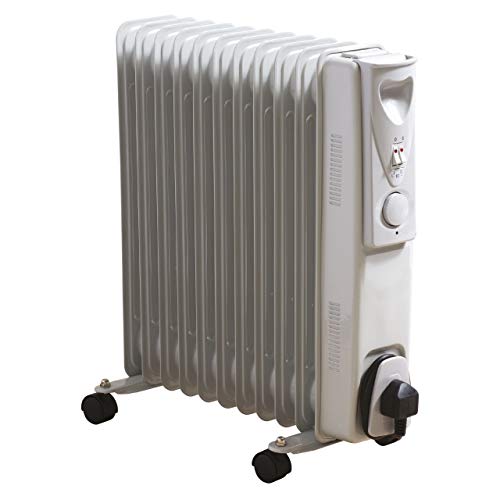 Easy Maintenance Oil-filled radiators are an excellent choice for those looking for an affordable heater to heat their home in an attractive and efficient manner. These heaters are among the most favored on our range of online products. They are ideal for heating small rooms or individual rooms within the home. These heaters are also among the most cost-effective choices in our electric heating review. Oil-filled radiators are heaters that contain mineral oil and are heated by an electric heating element. The heating element heats the oil, so it can keep the room warm for hours at a time, using less energy than it does to keep air hot for the duration of. These heaters resemble central heating radiators, but they are smaller and lighter. fireplacesandstove are therefore more portable. They usually connect to home's electricity using an ordinary plug and come with either wheels or carrying handles to allow for easy movement. When it comes to maintenance, these radiators require little in terms of repairs. If they do develop a leak then you should not attempt to fill them yourself. this is a job for an expert as the oil inside is under pressure and could cause fire hazards. If you're concerned that your heater might have a leak, then you should contact the manufacturer immediately. The De'Longhi Nano 500W Oil Filled Radiator heater is the least expensive of our round up to run, but it only produces a modest amount of heat, so it is not suitable for larger spaces. The more powerful models we have included in our round-up such as the De'Longhi Dragon 4 2500W Oil Filled Radiator and the VonHaus 11 Fin 2500W Oil Filled Radiator can dish out much more heat for the same amount of power and are better suited for homes with a lot of. Take into consideration the size of the radiator prior to buying, especially when mobility or vision issues are a concern. Many of the models that we've examined have an LCD that could be difficult for those with low vision to read. VonHaus and De'Longhi come with large controls with clear markings, which means they should be simple for anyone with this type of difficulty to use.